

Brought to you by beehiiv.
I have a theory: there are only seven creator types, at least when you sort them by the level of trust their audiences give them.
Entertainer
Aspiration
Curator
Witness
Analyst
Practitioner
Guide
Allow me to explain.
— Natalia Pérez-Gonzalez, Assistant Editor
What's next for creators is almost here

On July 16th at 1 PM ET, beehiiv is unveiling the next chapter for audience-led businesses at their virtual Summer Release Event.
For years, creators and brands have been forced to stitch together bloated stacks of tools just to publish content, grow an audience, and make money online.
Newsletters in one platform. Websites in another. Podcasts somewhere else. Analytics scattered everywhere.
beehiiv thinks there’s a better way. Now, they’re ready to show it off at their Summer Release Event.
This is an advertisement.

Which type of creator are you?


How much does your audience trust you?
It both depends on and affects how much they’re willing to hand over — whether their offering be attention, money, judgment, or, eventually, a piece of their identity.
You don't trust MrBeast the same way you’d trust your financial advisor, nor the person who recommends your skincare routine, or the founder whose newsletter convinced you to spend $5,000 on a cohort-based course.
Think of the attention or loyalty exchanged between audiences and creators less as currencies and more as positions on a spectrum, sorted by a single question: how much time or money is the audience being asked to invest? And what products are they receiving in return?
Each stop asks a little more of its audience than the last. Low-trust starts with trading attention; high-trust creators earn your loyalty over time.


The Entertainer
There's real trust in this lane, but it runs on emotional consistency, the quiet confidence that they'll make you feel what you felt watching their previous videos. These are often our comfort creators — every time you visit their page, you know you’ll laugh, feel compelled, feel awed, or feel surprised.
The Entertainer monetizes attention: ad revenue, brand deals, merch, live shows, and eventually their own IP. Volume is the engine, which is why this end of the trust spectrum can be the most difficult to sustain.
Former Spotlight guest Grant Beene is this type at its purest. His absurd, group-sketch comedy output had crossed a billion total views at the time of our interview, and he got there posting six TikToks in all of 2025, which pulled a combined 113.5 million views, nearly 19 million apiece on average. He has no other day job, and says that at his rates he needs only "two, three brand deals a year," which lets him turn down anything that doesn't fit.
@tik_tok_bhadie This one’s on me🍕… w/ @Jericho Mencke with Harry’s Plus, a smooth and comfortable shave 10 years in the making @Harry's #partner

The Aspirational
One step over, watching starts to turn into wanting.
This is the lifestyle creator, the luxury, the "this could be your life" feed. Being in the business of aspiration depends on audience emotion, desire, the allure of exclusivity — audiences need to wish to be a little more like the person they're watching, or to inhabit the world they've built.
Former Spotlight guest Lucie Fink falls into this slot on the trust spectrum. She built her following as a Refinery29 host and carried it into an independent career, and her audience has aged right alongside her over the past decade.
Lucie’s is one of the most brand-friendly of creator types; brands pay to be part of the fantasy. Around 90% of Lucie's revenue has come from brand partnerships since she went independent.
The Curator
This is where trust starts doing real labor. The Curator is a tastemaker, a reviewer, and tells you what's worth your emotional and financial investment; the "I bought it so you don't have to" voice.
Their entire value proposition rests on two things: the quality of their taste and the audience's belief that said taste is being exercised honestly.
This relationship can create a structural tension, though; curators often make money through affiliate links, sponsorships, and product collaborations — the very mechanisms that can distort the judgment they're selling in the first place.
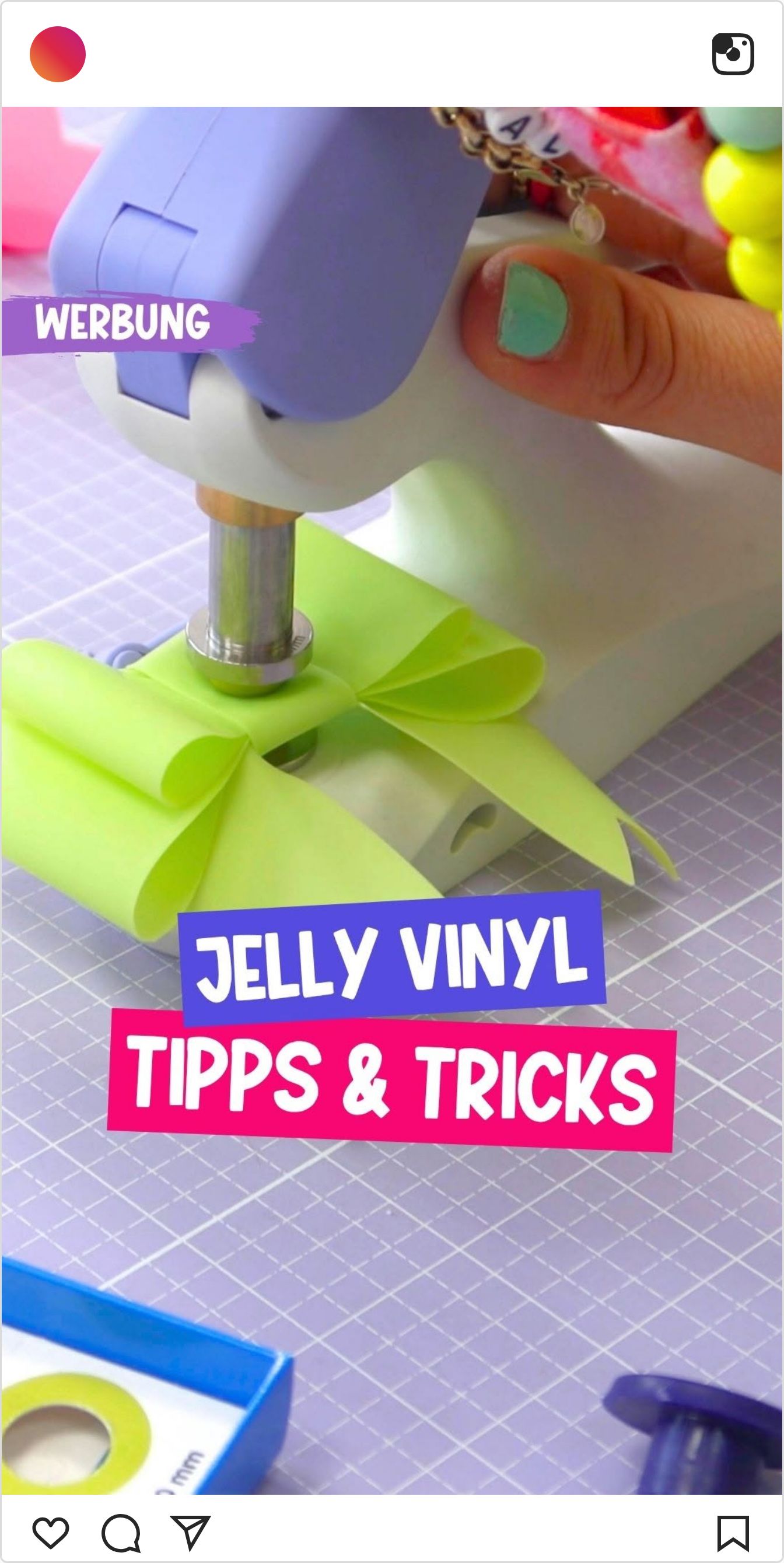
The ones who last guard their taste accordingly. Nastja Mohren, former Spotlight guest and top German sewing creator, only links products she genuinely uses and recommends, which is why her affiliate revenue and brand partnerships reinforce each other. The audience trusts her taste because they've watched her protect it.
The Witness
The Witness shows you what happened or is happening: the creator-journalist, the documentarian, the person filming on the ground while it unfolds. You’re trusting their interpretation of events, their worldview, and that what they’re showing or telling you is fundamentally true.
That makes the central vulnerability here distinct from that of every other creator type. A break in veracity itself — the staged shot, the selective edit, the missing context that changes the meaning of what you're seeing — can fracture trust.
For Matt Kiser, who runs the politics news overview newsletter WTF Just Happened Today?, transparency is the product. His business is fully donation-based, and yet he generates roughly $227,000 a year, with each paying member quietly underwriting 54 who read for free.
Witness Creators often monetize through subscriptions, patronage, grants, advertising, and, increasingly, direct audience support. Audiences are saturated with opinion and performance in today’s media environment, and a Witness presenting evidence is a scarce and valuable commodity.
The Analyst
The Analyst tells you what something means — the market commentator, the tech explainer, the one making sense of the news. You're trusting their read on reality, which is the most fragile thing to lend out and the easiest to bend.
This is the most fragile trust on the line, because you're borrowing someone's read on reality, and readers can feel the exact moment it bends toward someone's interests.
Recent Spotlight guest Evan Armstrong, who runs The Leverage, a publication analyzing the tech market, shares a deep trust with his audience. His decision to go independent stemmed from a desire to own those relationships, and he realizes that this also made his opinions more credible. He has advertisers, but he’s protective of his analysis; none of these partners can control what he writes — even when these partnerships rely on him writing about their products.
That trust, for Evan, pays out three ways: newsletter subscriptions at $15 a month, advertising, and the real engine, consulting, where startups and funds hire his market literacy directly.
The Practitioner
The Practitioner is the founder building in public, the marketing director breaking down campaigns, the working lawyer or journalist posting from inside the job.
More than any other type, the practitioner's content is the top of the funnel, with the real money downstream in the work people trust you enough to hire you for.
Jayde Powell rode her LinkedIn presence out of social media management and into fractional strategy, setting premium rates for fewer hours.
Practitioners can also productize small: At the time of our interview, former Spotlight guest Jack Appleby was selling a five-dollar-a-month LinkedIn prompt service that had quietly pulled in around $87,000 over three years for a couple of hours of work a month, plus a one-off course that made $50,000 up front. People who trust him are buying into his expertise as the product.
@jaydeipowell social media pros, tap the link in my bio 🔗
The Guide
At the far end of the spectrum, delegation becomes belonging. The Guide goes beyond informing; they world-build and convene until the audience becomes a community.
That's what former Spotlight guest Kaelyn Grace Apple built with Accepted Society, a community for people who feel shut out of academia and want in. One early member was on the verge of dropping out of his master's program. But instead, he stayed, joined the community, and eventually met his fiancé there.
When belonging becomes the product, the economics change too. A course promises a transformation and then ends; a community offers an ongoing state of becoming that people continue paying to participate in.
Kaelyn deliberately priced her earliest memberships at five dollars a session — just enough to give members skin in the game. She has watched other creators rush to scale before members learn to trust one another. Jay Clouse, founder of Creator Science, applies the same logic at the luxury end of the market, pricing his Lab retreats to cover costs rather than maximize profit, because the real return is retention and deeper connection.
Leads don't wait for business hours.

With Wati, every message across Instagram DM, Messenger, WhatsApp, SMS, RCS, and web chat gets an instant AI-powered response. Automations qualify leads, route conversations, and log everything automatically, so your team only steps in when it’s time to close.
This is an advertisement.
